Small Bathroom Ideas: Clever, Space-Saving Design Tips
By Harper
January 20, 2026
4 min read
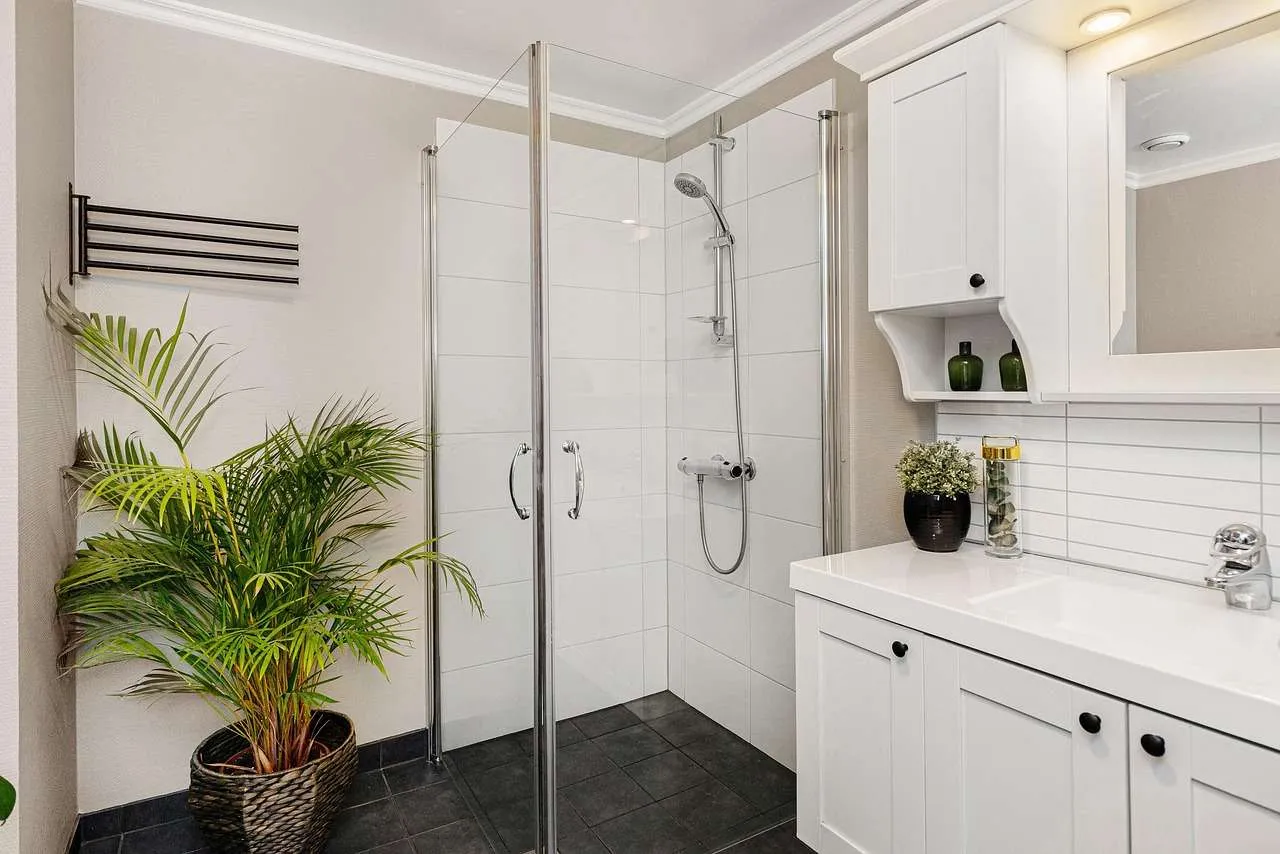
As a seasoned SEO expert and interior design strategist, I have helped countless homeowners maximize tiny baths with smart layouts, durable materials, and thoughtful finishes. This guide on small bathroom ideas is designed to address real search intent with practical, trustworthy advice you can apply today.
Why small bathrooms demand smart design
Small bathrooms compress space and budgets, so every choice matters. The layout should prioritize plumbing lines, door swing, and clear sight lines. A deliberate plan reduces waste and increases value over time.
Layout and traffic flow
Plan around the door
Choose a door that won’t block fixtures. A pocket door or sliding door can free inches for a vanity or shower. If you must use a standard hinged door, place the sink or toilet opposite the door to minimize awkward movements.
Vertical planning
Stack functions vertically with a wall-hung toilet, a vanity with integrated storage, and tall cabinets to keep the floor open. Maintain at least 24 inches of clearance in front of each fixture for comfortable use.
Smart storage solutions
- Wall-mounted vanities that extend to the wall rather than to the floor
- Medicine cabinets with internal shelving and integrated lighting
- Recessed niches in the shower and behind the toilet for toiletries
- Slim, tall cabinetry and pull-out organizers inside shallow closets
- Over-the-door hooks and magnetic strips for small items
Fixtures and space-saving ideas
Choose compact, efficient fixtures. A wall-hung toilet visually enlarges the floor. A compact vessel sink can be stylish, but a recessed vanity often provides more counter space. Look for a 24- to 28-inch vanity and consider a corner or neo-angle shower to maximize floor area.
Shower and tub options
In most small baths, a shower is more space-efficient than a tub. Frameless glass creates an open feel, while curved or neo-angle enclosures minimize hard edges. A recessed shower bench adds practicality without stealing room.
Lighting and mirrors
Layer lighting with overhead, task, and ambient sources. A large mirror or mirrored panels double the perceived width and help reflect light. Choose fixtures with warm color temperatures to avoid a cold, clinical ambience.
Materials, color, and finish
Light, reflective surfaces make a room feel larger. Use large-format porcelain or ceramic tiles in pale tones with minimal grout lines. Keep countertops durable with quartz or porcelain laminates. Avoid dark corners that absorb light.
Budget, planning, and install tips
Set a realistic budget and a phased approach. For many homeowners, a mid-range update focusing on storage, lighting, and a compact vanity yields the best return. Always obtain at least three quotes from licensed professionals and verify references.
Maintenance and durability
Choose washable wall finishes and easy-to-clean fixtures. Non-slip floors and sealed grout prevent slip hazards in damp environments. Regularly check seals around doors and windows to prevent moisture intrusion.
Comparison of shower options
| Option | Typical Cost | Space Impact | Pros | Cons |
|---|---|---|---|---|
| Shower stall with frameless glass | $2,000–$5,000 | High | Open feel, easy to clean | Cost, installation complexity |
| Neo-angle shower with acrylic panels | $1,200–$3,500 | Medium | Efficient layout, affordable | Visible seams, potential staining |
| Curbless shower with tile | $3,000–$8,000 | Medium-High | Accessible, premium look | Higher maintenance, cost |
| Shower-curtain enclosure | $500–$1,800 | Low | Low cost, easy install | Less open feel, maintenance |
These numbers are typical ranges and can vary by region, materials, and labor. When choosing, weigh not only upfront costs but long-term maintenance and how the option affects layout and resale value.
For final decisions, map your must-haves (storage, accessibility, light) against your space constraints. Sketching a simple plan or using a design app helps visualize how a compact vanity, a sliding door, and a glass shower interact. A well-executed small bathroom design balances function with a calm, cohesive aesthetic.
Conclusion, with careful planning, every square inch can serve multiple purposes. By optimizing layout, adding smart storage, selecting space-saving fixtures, and using light colors and good lighting, small bathrooms become comfortable, stylish, and easy to maintain.